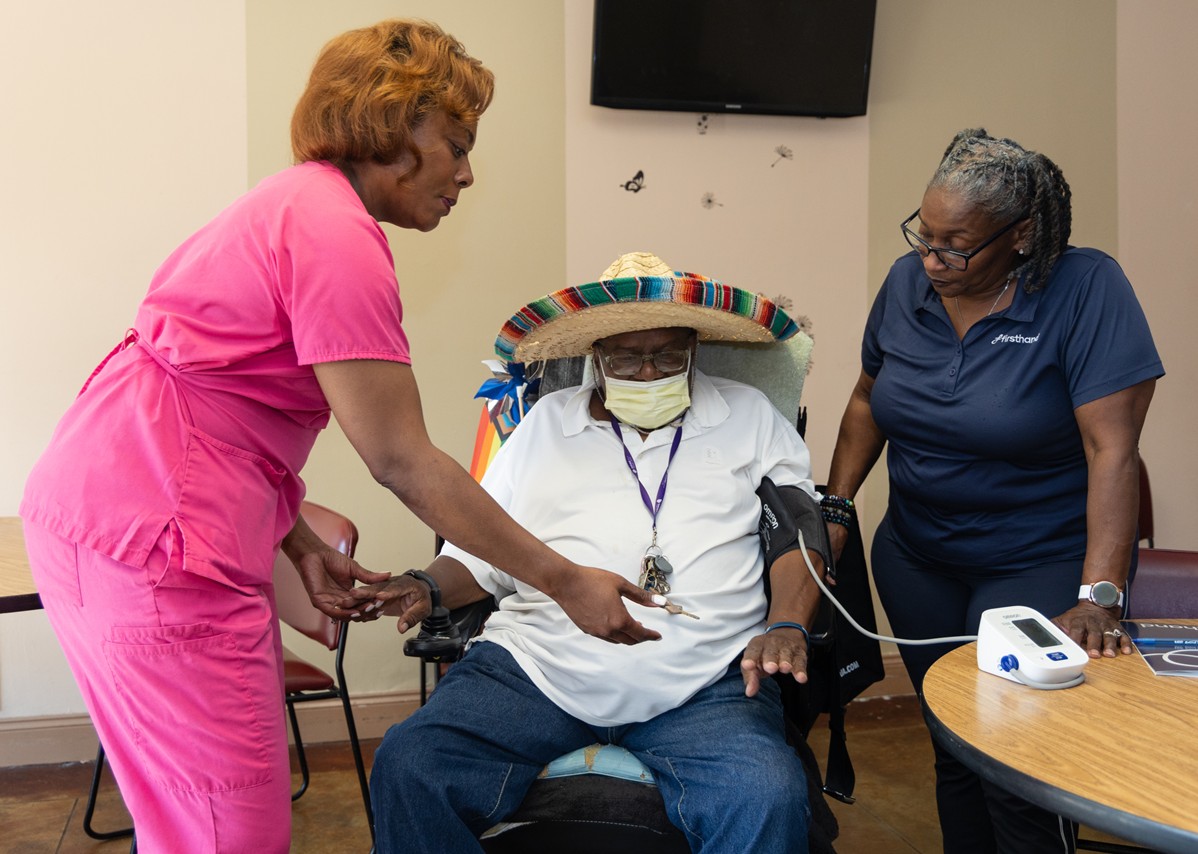
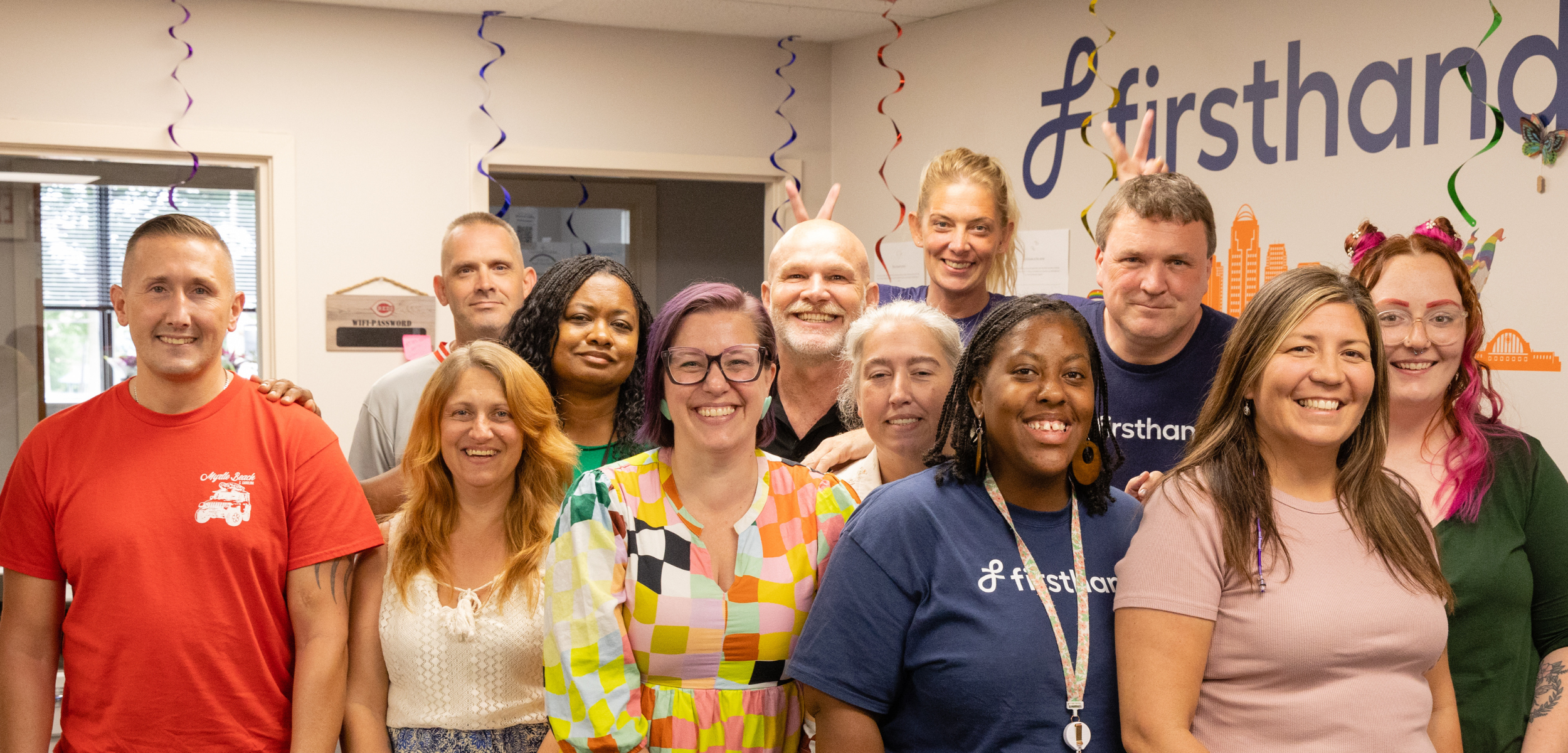
firsthand changes the way individuals living with serious mental illness (SMI) engage with the healthcare ecosystem, delivering outcomes for a population that has been underserved, stigmatized and deprioritized. Using a peer-led model that prioritizes empathy, shared experiences, and individual empowerment, firsthand works to bridge the care gaps for the most vulnerable members of our communities. firsthand walks side-by-side with patients, engaging the unengaged by wrapping them in a warm and effective care model.
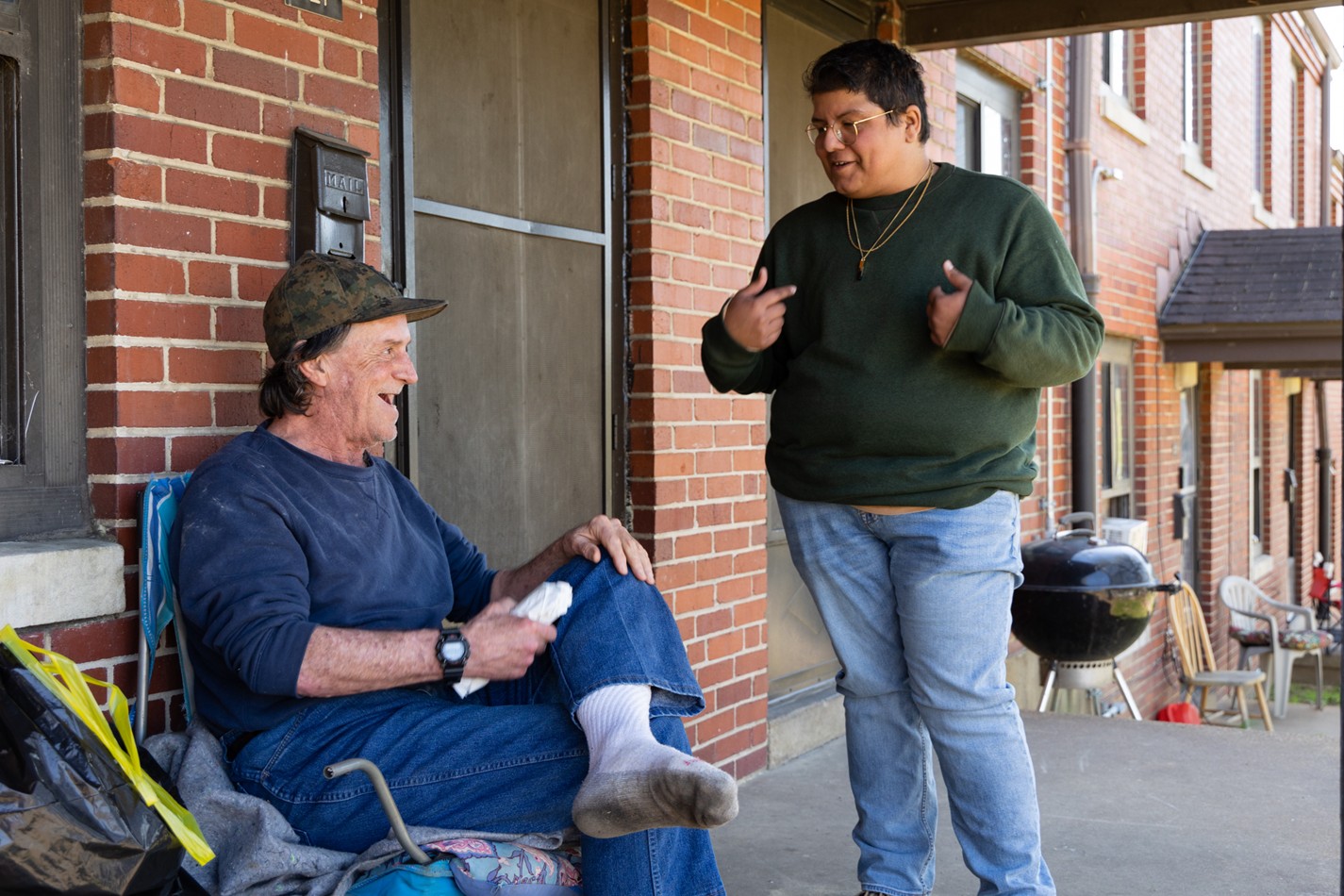
At the age of 14, Asa was kidnapped into the terrifying world of human trafficking. For nearly a year, she was a prisoner and forced to take drugs. After reclaiming her freedom and returning to her life, Asa felt damaged and disconnected, which only strengthened her addiction. She struggled as a young mother, ultimately reaching out to the Salvation Army, which connected her with therapy resources, helping her heal. Today, Asa is a Senior Guide at firsthand, and is honored to spend her days helping others who experienced many of the same horrors she has in her life.
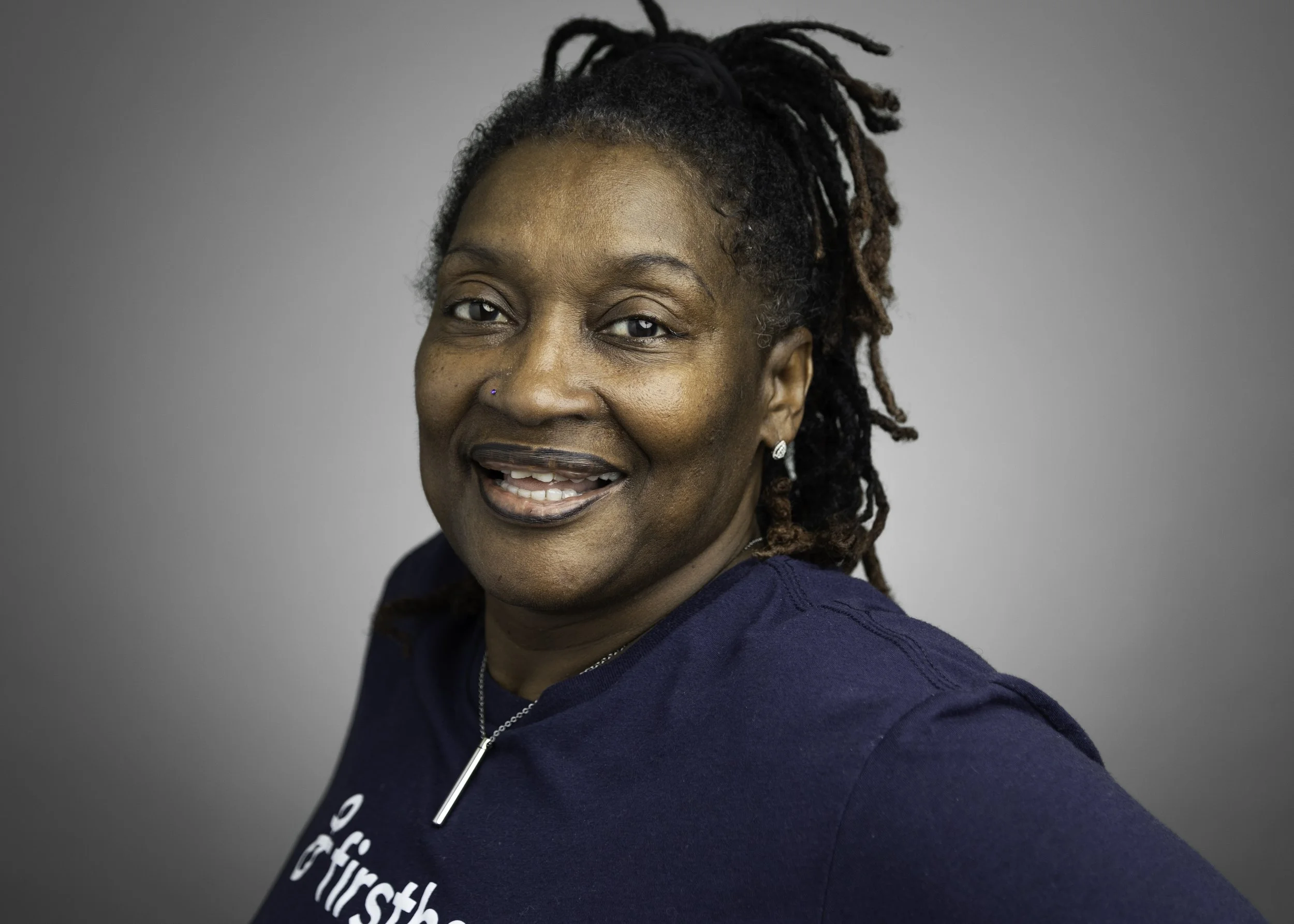
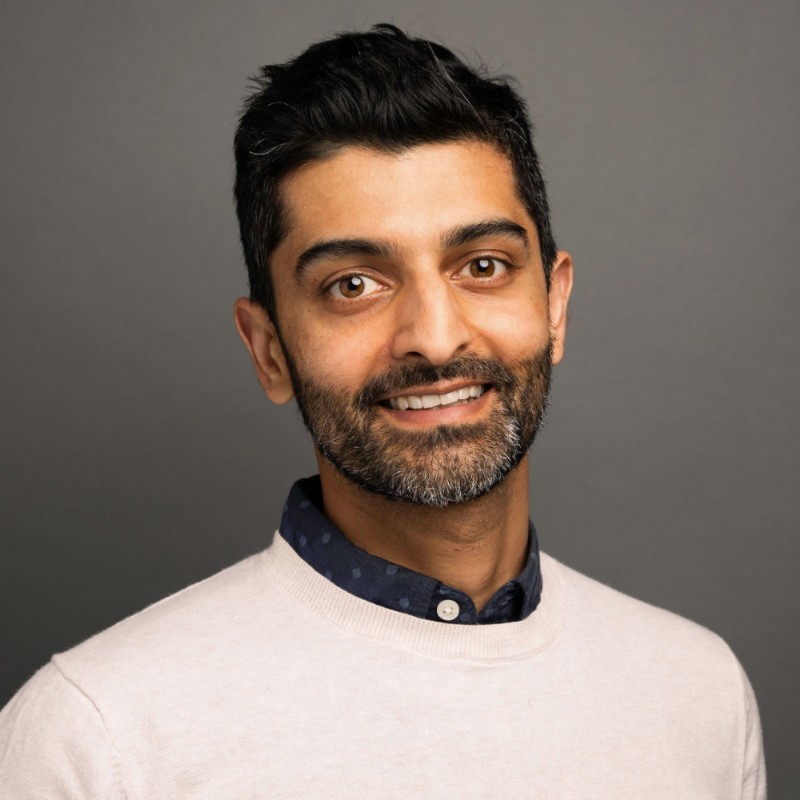
After working in behavioral health for over a decade, Samir became increasingly aware of the acute need to improve outcomes for those struggling with serious mental illness and started thinking through ideas to address this unmet need. A colleague recommended he connect with Triple Aim, which was developing a similar concept, and firsthand was born. “For all the good work happening in communities every day, far too many people are not connected to the care they need,” Samir explains, “That is firsthand’s mission: to really focus on connecting individuals who could benefit from the infrastructure that is out there into the care services to help them manage their mental illness better and find a pathway to recovery.”
Today Samir sees it as a privilege to have helped create firsthand and to enable team members who bring the holistic clinical model of firsthand to life, including the peers, who have also experienced mental illness themselves: “What matters most to individuals who struggle with mental illness is the ability to trust the individuals around them – that’s why our firsthand guides are the frontline, the face of our organization.”
Dr. Parks has been a practicing psychiatrist for over 38 years with extensive experience in behavioral and mental health care model design and delivery. Through his research and practice, he came to recognize the power of the firsthand whole person clinical model, which blends medical treatments for mental illness, substance use disorder, and chronic medical illnesses with the addressal the social determinants of health, all underpinned by peer support. “The peer model does more than reduce clinical symptoms,” Dr. Parks explains, “It also helps with personal recovery, promoting hope, empowerment, and self-efficacy for our patients.”